Health Article
Hemiplegia & Paralysis: Understanding Recovery
August 8, 2026
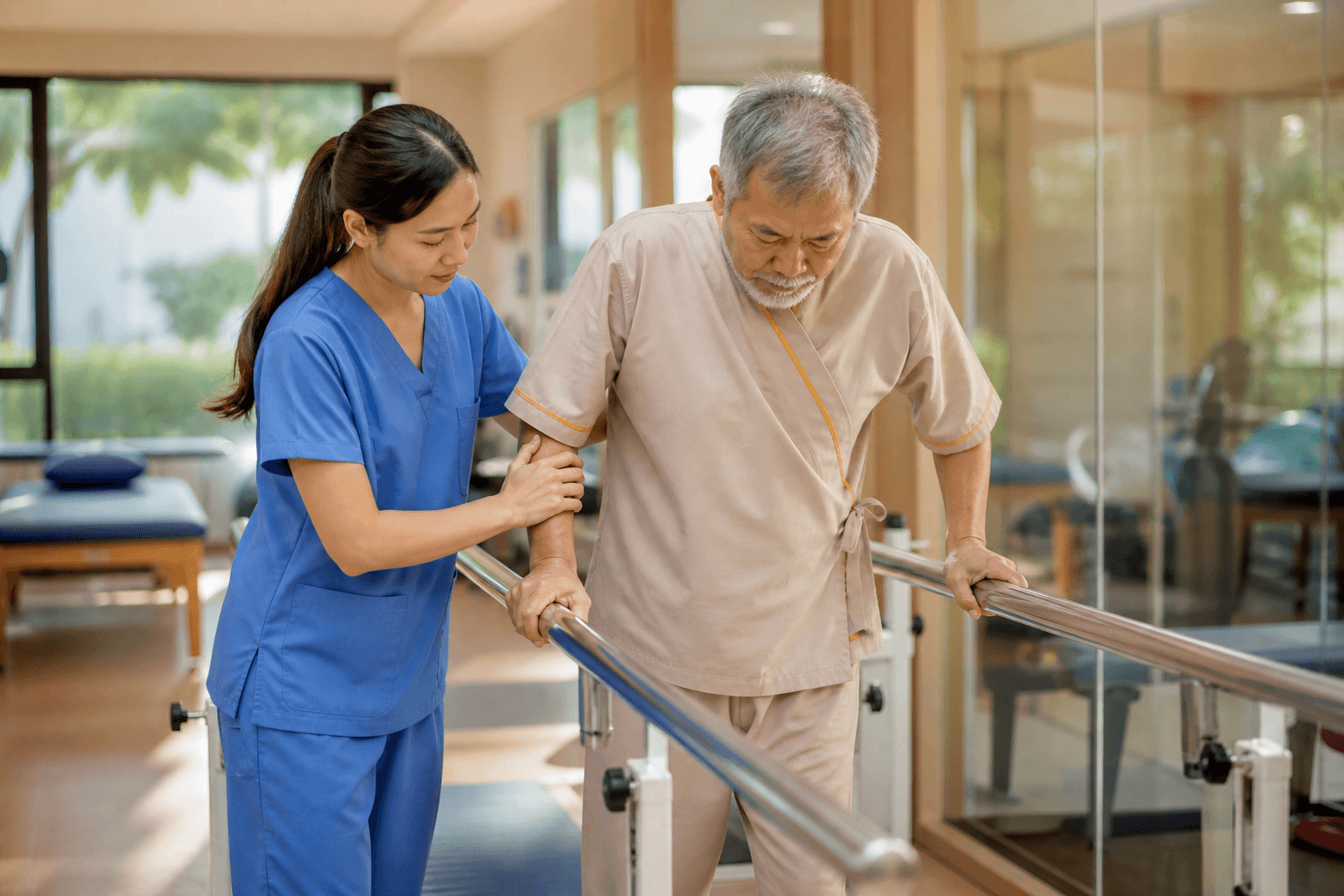
Hemiparesis and paralysis often follow stroke or injuries that damage the nervous system, causing muscles in parts of the body to lose function.
Key difference: paresis means muscles are weakened but some movement remains; paralysis means complete loss of movement — the limb cannot be moved at all.
Related visuals
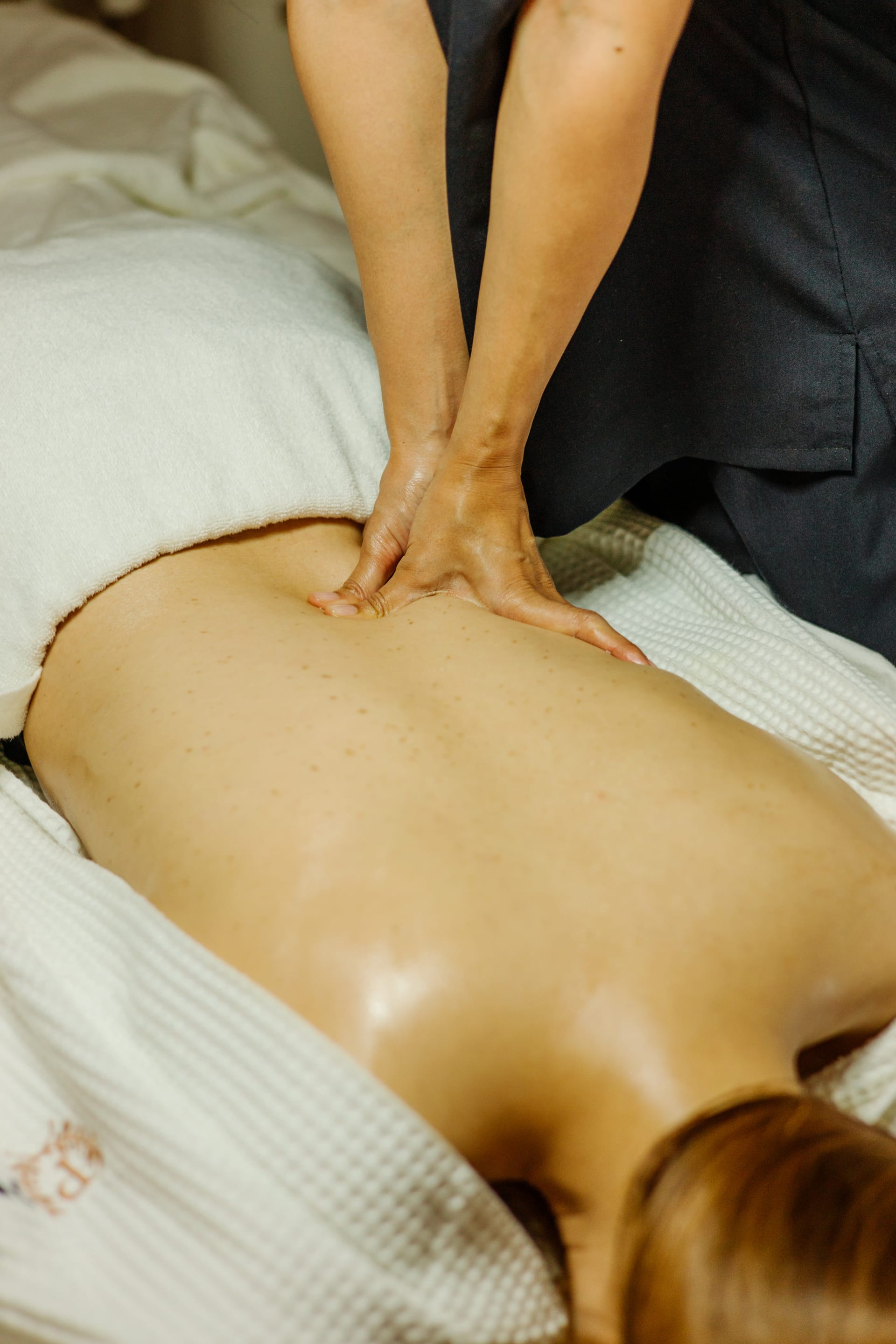
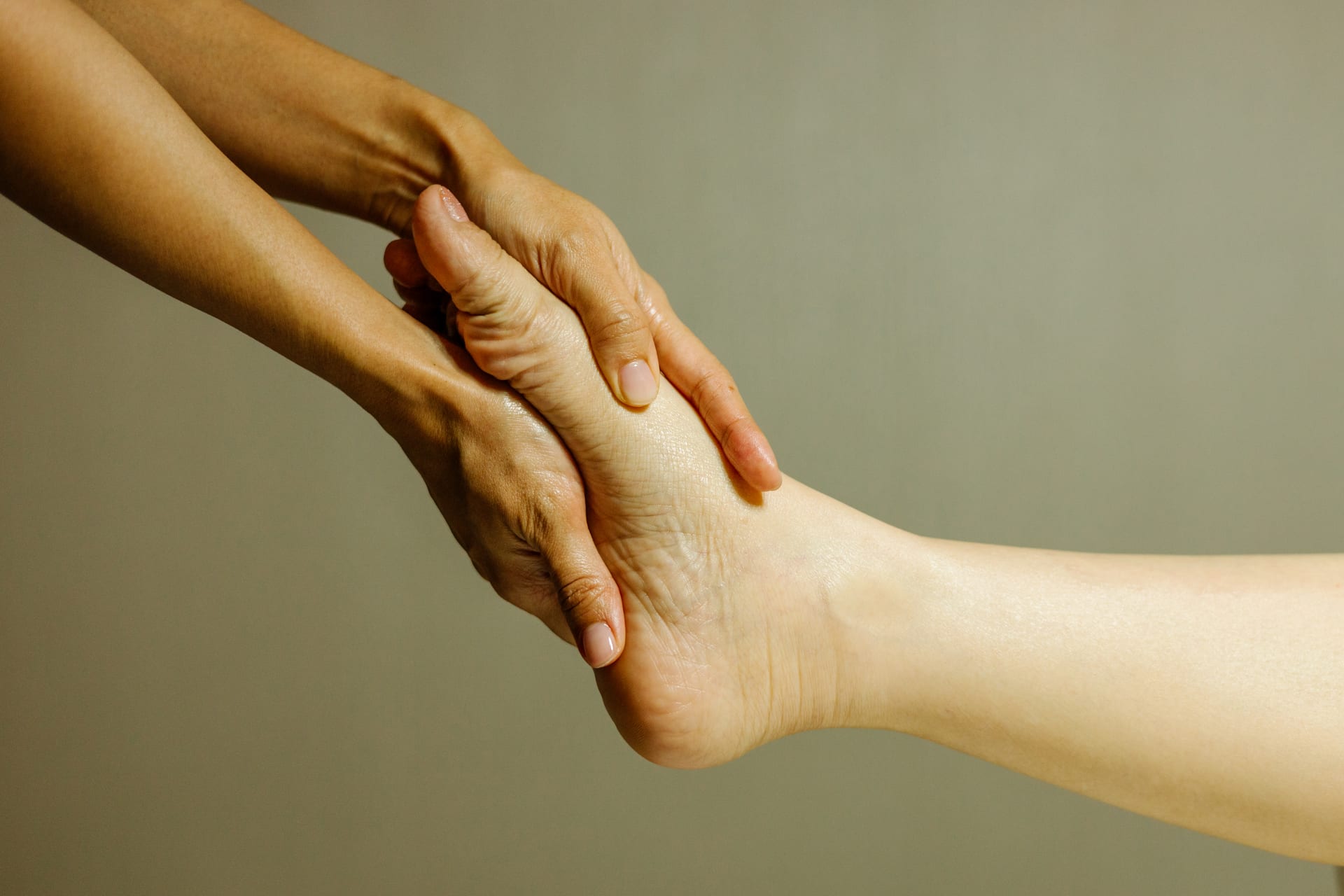
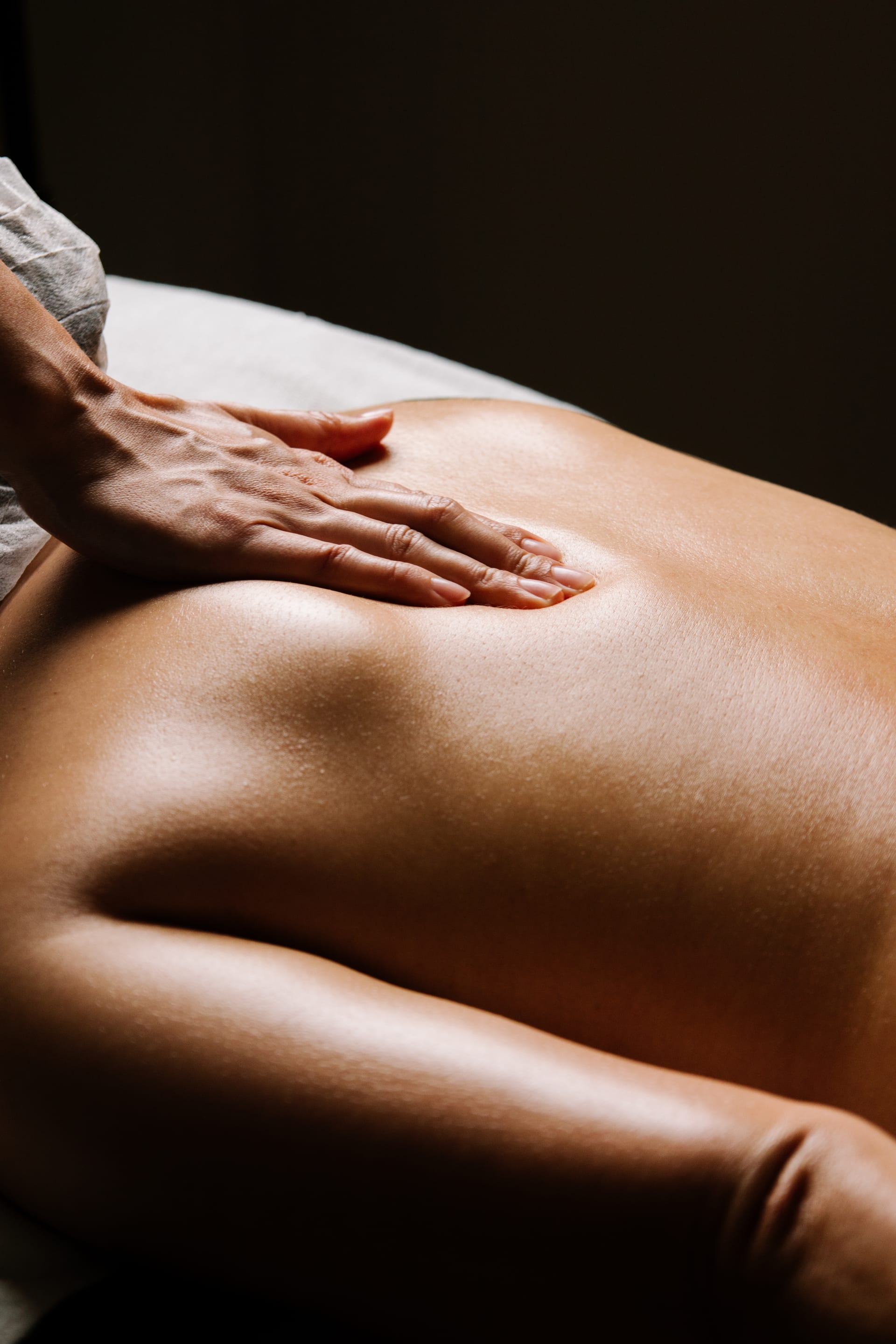
Rehabilitation pathways: physiotherapy builds movement, muscle strength, and prevents joint contractures. Occupational therapy retrains daily skills such as eating and dressing.
Speech and swallowing therapy matter for those with unclear speech or dysphagia. Starting early, continuous rehabilitation maximises the chance of returning as close as possible to previous function.
PNC designs personalised programmes combining physiotherapy, occupational therapy, and restorative Thai massage, with home guidance so families can support daily practice.